If your home runs on a septic system, you already know the two sounds you never want to hear: a gurgling drain and a plumber's quote. Between those two moments sits a whole category of products promising to keep the tank calm — and Septifix™ is one of the most searched names in it. This review walks through the product the way a homeowner would evaluate it: what it is, what it does chemically and biologically, what it cannot do, and when spending the money makes sense.
What Is Septifix™?
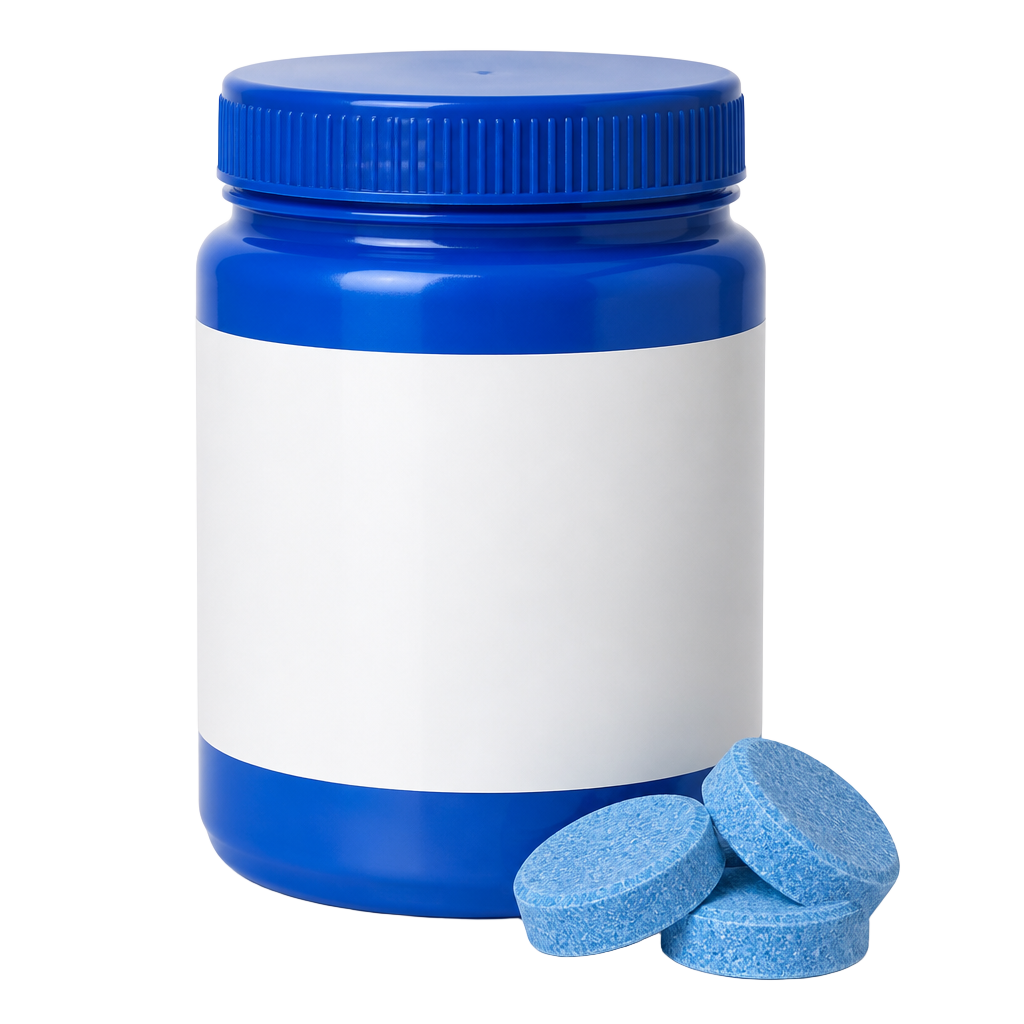
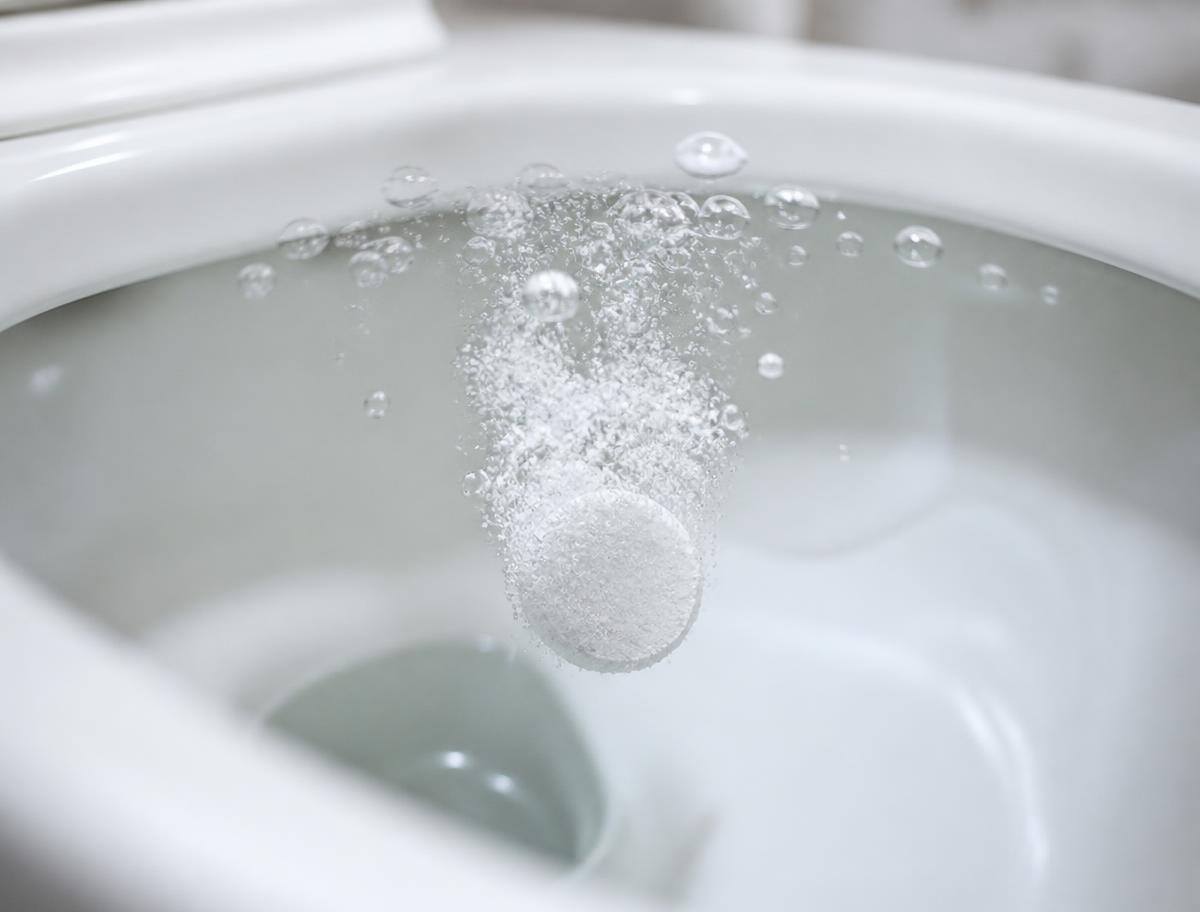
Septifix™ is a dissolvable septic tank treatment tablet. Rather than a jug of liquid you pour down a drain, it comes as an effervescent tablet you drop into the toilet bowl and flush. Each bottle is sold as roughly a six-month supply, based on one tablet per month for an average household.
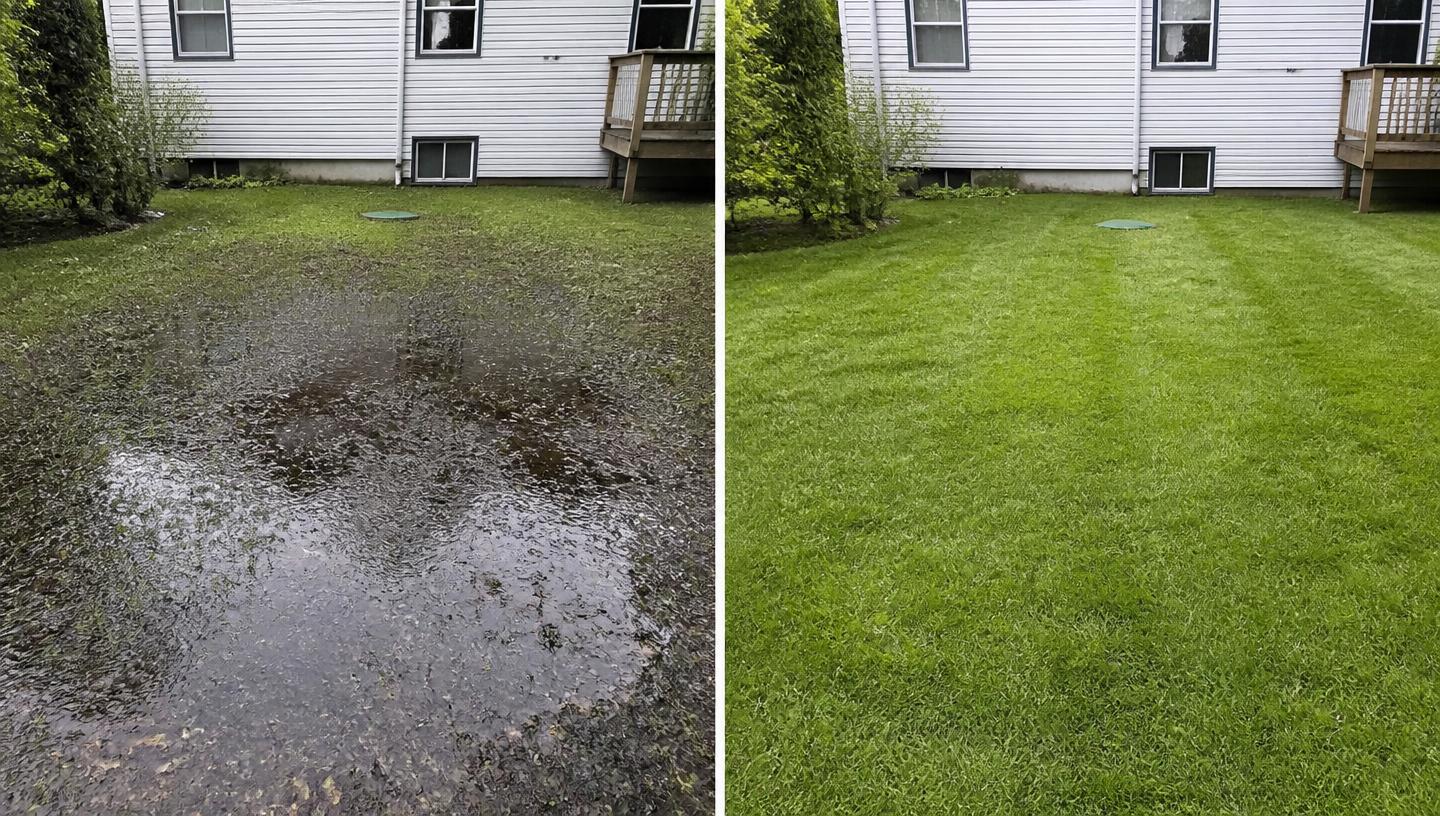
The pitch is simple and it is aimed squarely at a real frustration: septic maintenance is invisible until it is expensive. Homeowners forget the tank exists until the lawn above it turns soggy or the downstairs bathroom starts to smell. A monthly tablet is designed to be the smallest possible habit that keeps the biology inside the tank working.
How Septifix™ Works Inside the Tank
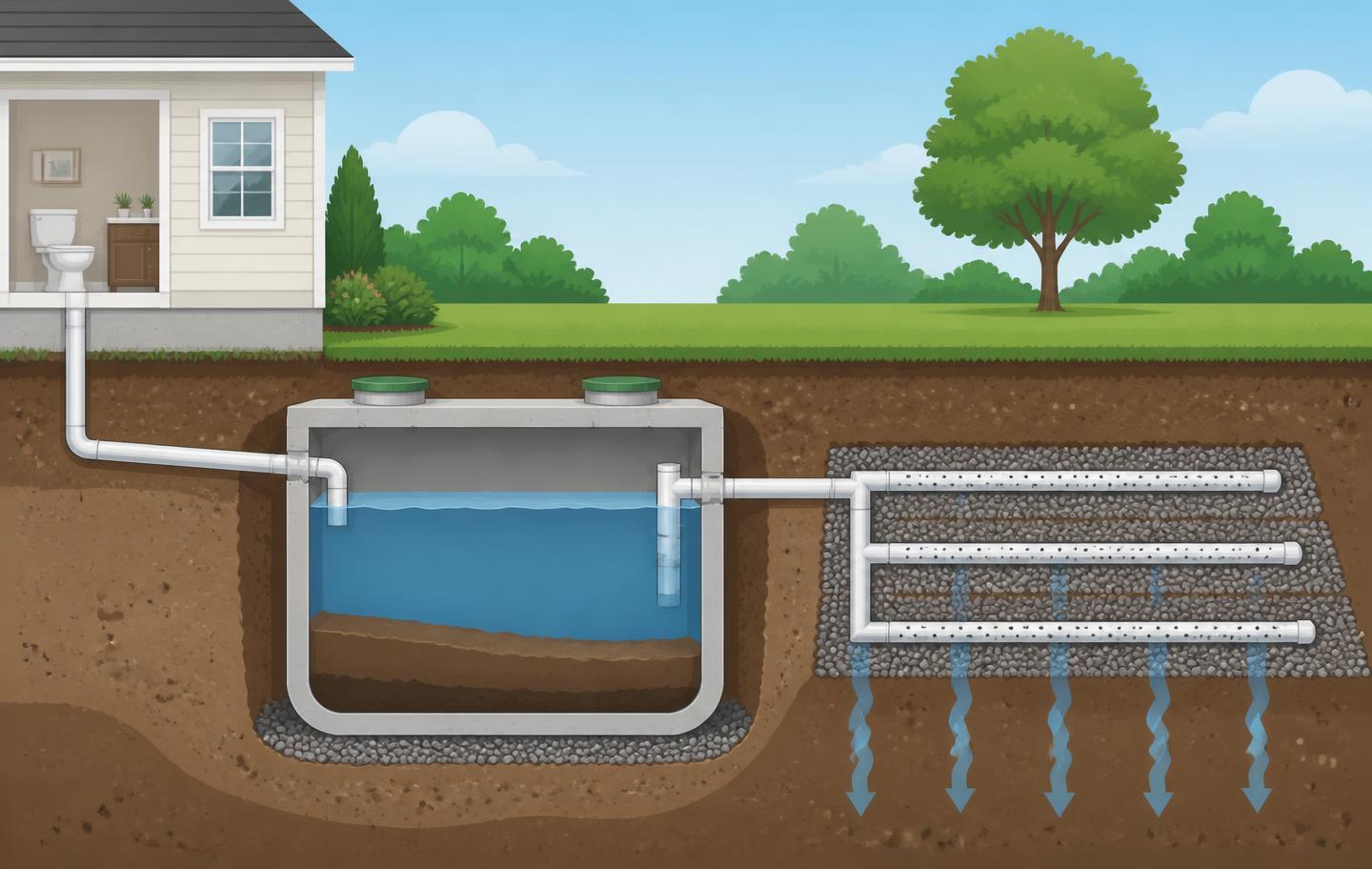
To understand the tablet, it helps to understand the tank. Wastewater entering a septic tank separates into three layers: a scum layer of fats and oils on top, a clear-ish liquid layer in the middle, and a sludge layer of settled solids at the bottom. Only the middle layer is supposed to leave the tank and drain out through the leach field. When the sludge layer grows too thick, solids escape into the field, the soil clogs, and repairs move from hundreds of dollars into the thousands.
Septifix™ works on three fronts at once:
- Oxygen release. As the tablet fizzes, it releases oxygen into the tank. Aerobic bacteria — the ones that digest waste quickly and without the rotten-egg smell — need oxygen, and a sealed tank is chronically short of it.
- Bacterial reinforcement. The tablet carries strains of bacteria that feed on organic solids: toilet paper, fats, proteins and starches. Household bleach, antibacterial cleaners and heavy detergent use routinely kill off the tank's resident colony, so topping it up is not pointless.
- Odour neutralisation. Septic smell is mostly hydrogen sulphide, a by-product of anaerobic digestion. Push the tank towards aerobic activity and the sulphide production drops, which is why odour tends to be the first thing that improves.
Ready to try the monthly tablet routine?
Septifix™ is only sold through the official page, which is where the money-back guarantee applies.
Get Septifix™ From the Official PageHow to Use Septifix™ Correctly
- Drop one tablet into the toilet bowl — not the tank behind the toilet.
- Wait for the fizzing to finish so the tablet fully dissolves.
- Flush once. That is the entire process.
- Use the toilet furthest from the septic tank if you have a long run of pipe; it gives the bacteria more surface to colonise on the way in.
- Avoid dumping bleach or drain cleaner down the same line for a day or two afterwards — you would be killing what you just paid for.
What Results Are Realistic?
This is where honest expectations matter more than marketing. Biological treatments work on biological timescales.
- Week 1–2: Reduced odour around drains and, in some cases, near the tank lid.
- Week 3–8: Slower drains often improve if the sluggishness came from grease and organic buildup rather than a mechanical blockage.
- Month 3 onwards: The value is preventive — a thinner sludge layer and a longer gap before the next pump-out.
If your drains are slow because a root has cracked the pipe or a wipe is lodged in the line, no tablet on earth will help. That is a job for a camera and an auger.
Pros and Cons
What works
- Genuinely effortless — one flush a month
- Non-corrosive, unlike caustic drain chemicals
- Targets odour at its actual cause
- Cheap relative to an emergency pump-out
- Money-back guarantee lowers the risk of trying it
What to watch
- Not sold in stores — online ordering only
- Does not replace scheduled pumping
- Useless against roots, wipes or collapsed pipe
- Results are gradual, not overnight
- Marketing claims run ahead of published testing
Who Should Buy It — and Who Should Not
Worth it if: you own a home on a septic system, you would rather spend a few dollars a month than think about the tank, and your system is currently functional but occasionally smelly or sluggish.
Skip it if: you are on municipal sewer, your tank is already backing up (call a professional today), or you are hoping a tablet will let you cancel a pump-out that is years overdue. It will not.
Pricing and Guarantee
Septifix™ is sold in single and multi-bottle bundles, with the per-bottle price dropping on the larger packs, and it is backed by a 60-day money-back guarantee. Because pricing and bundle offers change, check the current figures on the official page rather than trusting a number quoted in any article — including this one.
Frequently Asked Questions
What exactly is Septifix™?
Septifix™ is an effervescent septic tank treatment tablet. You drop one into a toilet and flush it. The tablet dissolves, travels into the tank, and releases oxygen along with waste-digesting bacteria that break down organic solids, grease and paper.
How often do you use a Septifix™ tablet?
The standard routine is one tablet per month for an average household. Larger homes, heavy laundry loads or a tank that has been neglected for years may benefit from a slightly more frequent start before settling into monthly maintenance.
How long before you notice a difference?
Odour control is usually the first thing people report, often within the first few days. Sludge reduction is slower — bacteria need weeks of continuous activity to work through built-up solids, so give any tablet treatment two to three months before judging it.
Is Septifix™ safe for pipes and the drain field?
It is marketed as non-corrosive and safe for metal and PVC plumbing, unlike caustic drain openers. Because it works biologically rather than chemically, it is not intended to eat through a physical blockage such as tree roots or a collapsed pipe.
Does it replace pumping the tank?
No. No tablet, powder or liquid replaces pumping. Inorganic material still accumulates. A good treatment slows the rate at which sludge builds, which can stretch the interval between pump-outs — it does not remove the need for them.
Where can you buy Septifix™?
Septifix™ is sold directly through the official order page rather than in hardware stores, which is also where the money-back guarantee and multi-bottle pricing are honoured.
The Verdict
Septifix™ is not magic and it is not a scam — it is a convenience product built around a sound principle. Septic tanks depend on a bacterial colony that household chemicals keep knocking down, and topping that colony up every month while adding oxygen to the mix is a reasonable, low-effort thing to do. Judge it as cheap insurance and regular maintenance, not as a repair, and it holds up well. Judge it as a replacement for pumping and you will be disappointed and eventually out of pocket.
For most septic owners, the calculation is straightforward: a few dollars a month against a drain field replacement that runs into five figures.
Septifix™ — Monthly Septic Maintenance, Simplified
Backed by a 60-day money-back guarantee on the official order page.
Get Septifix™ TodaySecure checkout · Direct from the official supplier
Disclosure: This article is for general information about septic system maintenance and is not professional plumbing advice. If your system is backing up, overflowing or flooding your yard, contact a licensed septic professional. Links on this page may be affiliate links, which means a commission may be earned at no extra cost to you.